
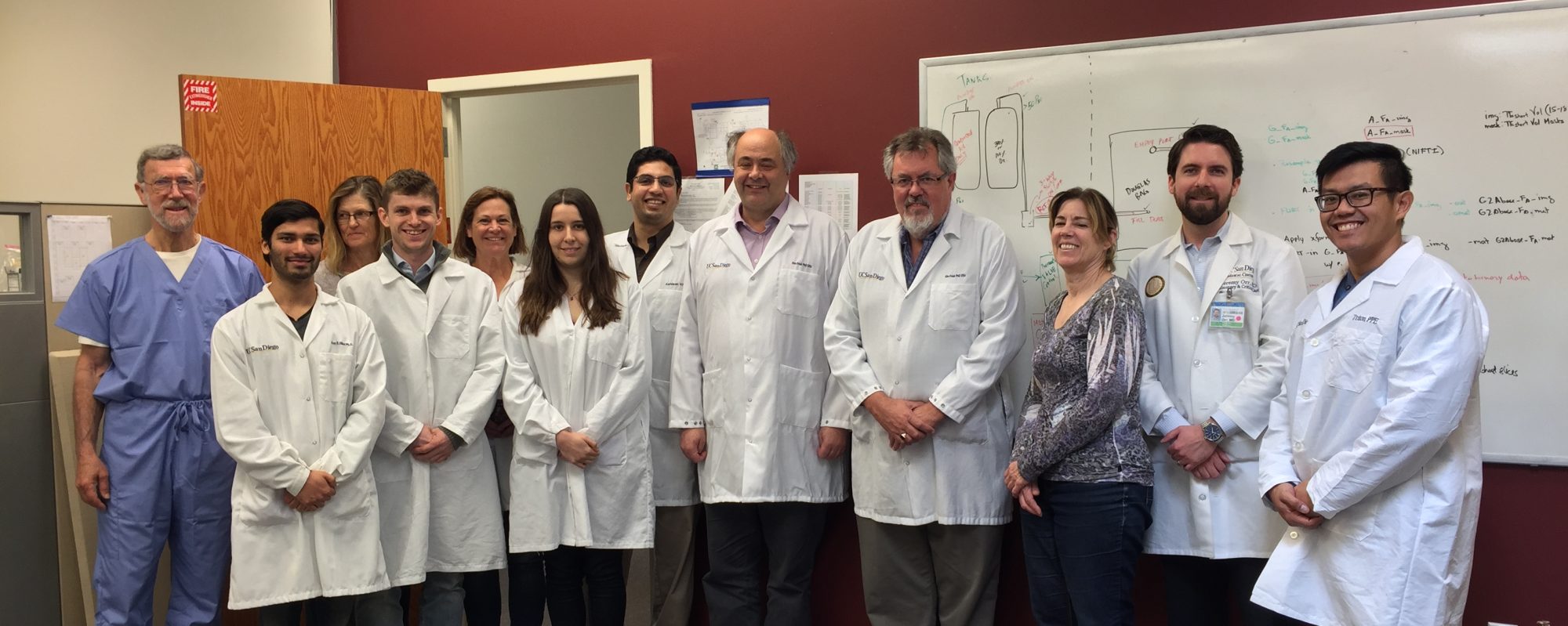
My apologies for the long absence of blog entries. Update on the study, we have finished collecting data on 6 subjects, and we believe that will be enough to show significant differences in the various measures we are collecting (more on that later). Disclaimer: Please note that all of these procedures were done under the supervision of highly trained professionals and arterial lines must be placed by a board licensed physician. All information included on this blog is for your information only, and is not intended to be an instructional guide.
Here’s a blog entry with some exercise physiology content in it for you…. This is compiled Arterial Blood Gas data from the subjects who have participated in our studies. ABG collection is fairly simple if it is a single sample, requiring a bit of local anesthetic and usually a fine (25ga) needle and 3ml syringe, or larger if needed. The problem with this:
1) We aren’t doing just 1 ABG collection, we are doing 16.
2) We are collecting during exercise, and sticking our subject with a needle 16 times while they are riding at their ventilatory threshold will be challenging and exasperating to both subject and physician
3) Since exercise increases core temperature, pressures of Oxygen and Carbon Dioxide will fluctuate. (Remember PV=nRT from physics and chem)
So the answer is to cannulate the artery (radial artery) so we can have unobstructed and frequent access to the arterial blood. To answer the temperature issue, we place a sterile temperature probe inside a piece of extensioin tubing, and it will record temperature while the blood flows past it during collection. Other data we can collect by using a radial artery catheter: direct arterial pressure measurement and direct heart rate measurement.
The procedure itself is substantially more complicated than placing an intravenous line (IV), and requires quite a bit of sterile setup and equipment. Directly from my checklist:

Exercise-SVI Study
Arterial Catheter Supplies
 General prep (Set up night before):
1% lidocaine
4×4 sterile gauze (1 pack)
4×4 non-sterile gauze
Betadine pads (6)
Alcohol pads (9)
16G needle
18G needle
25G needle
Non-sterile gloves –large for Peter, Box of medium
3M micropore tape
3M bandage wrap
5 mL syringe (1 slip-tip)
10 mL syringe (3 luer-lock)
Tourniquet
Atropine sulfate – 1 mL
0.5 mL syringe
Double male luer-lock connector (1)
Razor
Bandaids (3)
BioZ electrodes
Digital thermometer + covers
Stopwatch
Extra chux to go under patient’s arm
Biohazard trash and Sharps containers
Temp Probe and box
Extension tubing with hub for probe
Check Crash Kit: Advanced Cardiac Life Support
 Arterial line:
20G BD angiocath (2)
500 mL saline (1)
3-way stopcocks (2 white locking w/ swivel male)
6” extension tubing (Included with Transpac IV Monitoring kit)
For sample collection:
3 mL syringes – luer-lock (17)
3-way stopcock (17)
Sterile gloves – Vince size 8
Sterile field
10 mL syringe – slip
Heparin
16G needle
Labeling supplies (masking tape and sharpie)

This is it for now, will post the setup procedure next time!
-Vince
 Vincent Tedjasaputra, Ph.D.
Excellent post. I certainly love this site.
Stick with it!
LikeLike