

In one year, I went from 246 lbs to a low of 183 lbs, a total of -63 lbs. I dropped my body fat from 31% to 13% and regained strength, physical, and mental health. My work efficiency and self-confidence are at an all-time high!
The Mini Vinny Project is a visual narrative of my one-year weight loss experiment using:
- Low carbohydrate, high-fat (LCHF – Ketogenic) diet
- Intermittent Fasting
- Strength Training
- High-Intensity Interval Training.
- Progress pics here.
If you want to start your own journey and need some help, send me a message here, and read what some of my clients have said!
I hope something here inspires you.
-Vincent Tedjasaputra, PhD
Disclaimer
The views expressed here are solely mine and do not represent the UC San Diego School of Medicine. This writing should not be constituted as medical advice. Please seek advice from your physician before making any drastic changes to your physical activity or diet.
Background
I am former collegiate Track and Field athlete, competing in the hammer throw in all 4 years while earning my Bachelors of Science in Human Biology at UC San Diego. As a college athlete, I took for granted the personal attention of coaches and trainers who have had years of programming experience at the elite level.
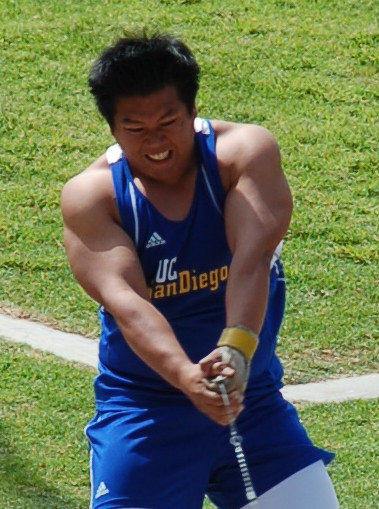
We trained 6 days a week, 11 months out of the year. Our training sessions were comprised of an hour of event-specific coaching and drills, and then 2 hours of power and/or Olympic lifting, or field conditioning, such as medicine ball tosses, stadium box jumps, or other plyometric work. Life as a thrower was simple: Class, throw, lift, eat, watch film, eat, eat, eat, play Halo 2, eat, sleep, midnight snack, repeat!

Our exercise and nutrition strategy was designed to gain size for maximal power and strength to transfer power to the implement (hammer, shot, discus). As you might expect, as a thrower every day is leg day. In the above photos, I was 21 years old, 265 lbs body weight and 25% body fat. My best lifts were: Clean + Jerk 350 lbs, 305 lbs Snatch, 405 lbs Bench Press, and 665 lbs Squat. Despite my decent raw strength, my best competition hammer throw was a paltry 45 m.

Including high school athletics, I trained for 8 straight years. Like many former collegiate athletes, following the end of my NCAA eligibility, I enjoyed the time off and shaking the daily sensation of being sore head-to-toe. In the years following, I continued my thrower-eating habits, but not my thrower exercising habits.
After I finished my Bachelors, I earned a Master of Science degree in Exercise Physiology from San Diego State University, and then I moved to the Great White North to earn a Ph.D. in Exercise Physiology from the University of Alberta in Edmonton, Canada.

The Bad
Over the next 6 years, I attempted to keep active, picking up mountain biking in the summers and ice hockey in the winters while living in Canada. My weight fluctuated from a high of 275 lbs to a low of 220 lbs, following a scary brush with viral meningitis and a host of other gut issues.
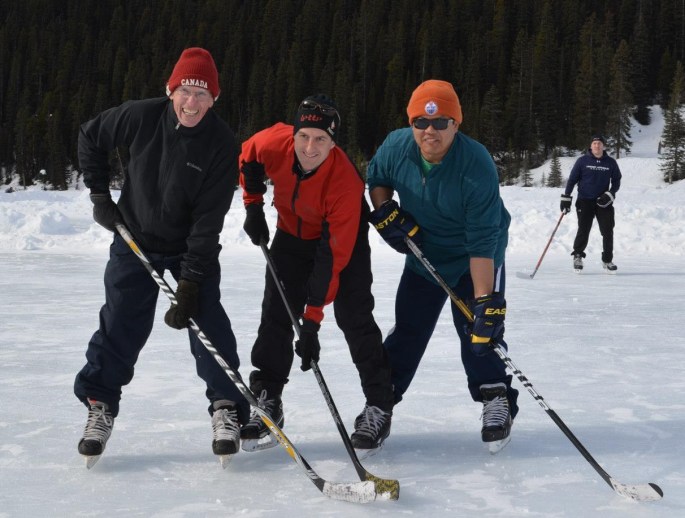
Near the end of my doctoral work, I was consumed with dissertation writing and struggled with depression. I slept-in on work mornings (10 am) and then stayed late to make up for those hours. I ate a diet of fast food and soda (and pizza. I love pizza). I lived 6 blocks from my office, and on the walk to school was a Wendy’s/Tim Hortons combo and McDonald’s. Dominos delivered in 10 minutes, with a 50% student discount!

Like all Academics, my schedule revolves around data collection and grant/manuscript deadlines. Despite knowing better, I (still) have an enormous amount of sedentary screen time. After work, I really just wanted to Netflix-and-‘Za.
My average blood pressure was ~150/90 mmHg (normal is 120/80). I had the symptoms of pre-diabetes and was constantly experiencing GI pain. Every meal was followed by overwhelming sleepiness, and even slight exertion left me breathless.
I was 100% in denial. Being an overweight Exercise Physiologist Ph.D. was shameful.
Making a Change
Shortly after finishing my Ph.D. in Canada, I accepted a Postdoctoral Fellowship in San Diego, in the same lab I did my Master’s. My first UCSD Division of Physiology Seminar was in a conference room on the third floor of the Biomedical Sciences Research Building. I took the stairs thinking it was a healthy alternative to the elevators.

By the time I got to the room, I was gasping for air, my face flushed red, and I was seeing stars. It took me 5 minutes to catch my breath, and I finally understood the feeling of ‘air hunger’ that my COPD patients had struggled to describe. I felt overwhelmed with embarrassed and shame. Who would be able to trust my ‘expertise’ if I didn’t follow it?
The Fit Lab
While I was studying in Canada, my former student from SDSU, Sean Pangelinan, contacted me to get some advice on a new business he was starting, a gym named The Fit Lab, in Kearny Mesa, San Diego. I took a look at his website and gave him some advice on some of the body composition, aerobic fitness, and functional movement screening services he offered. After I returned to San Diego, more of Sean’s posts appeared on my Instagram feed. The pre/post client transformation pictures got me excited!
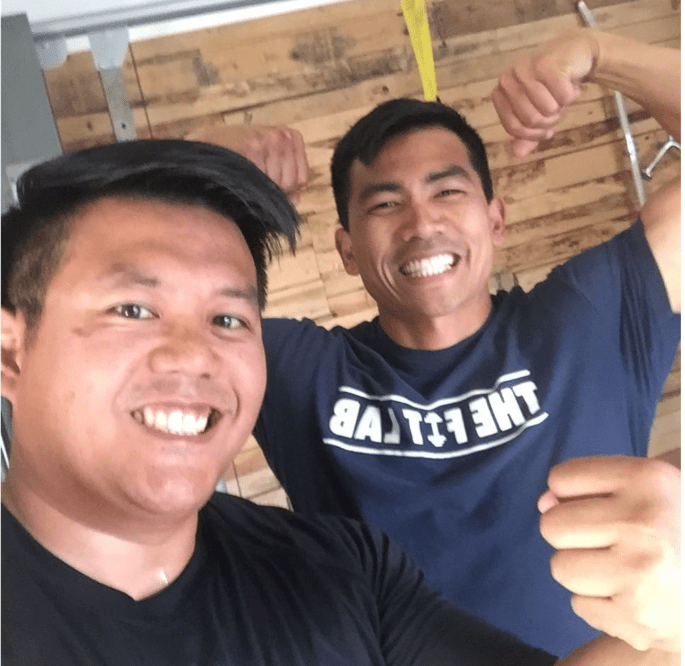
I was embarrassed that I had to ask for help. Here was a former NCAA athlete, freshly minted doctorate degree in Exercise Physiology, unable to pull it together. The guilt and shame were real, and I was not ready to admit that I needed some serious motivation. We talked for an hour and discussed my future direction.
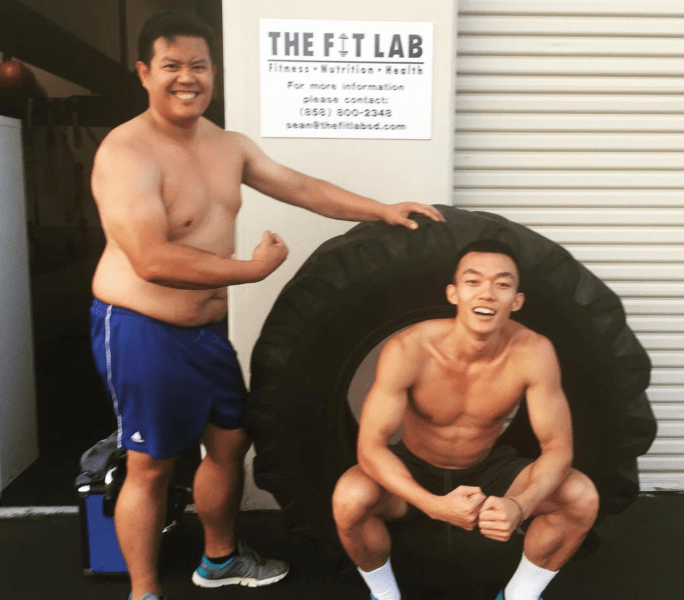
I started my transformation program on August 14 2017. We performed a body composition test using hydrostatic weighing to determine my fat mass and fat-free mass. I started at 246 lbs and 30.3% body fat.
The Approach
Together, we set my first overall goal to 200 lbs at 15% body fat in 3 months. Our approach was two-pronged 1) Nutrition strategy and 2) Exercise training.
Nutrition Strategy: Ketogenic Diet
We severely restricted my net carbohydrate intake to 20 g per day (5%), with moderate protein intake (35%), and relatively high fat intake (60%), also known as the Ketogenic Diet.
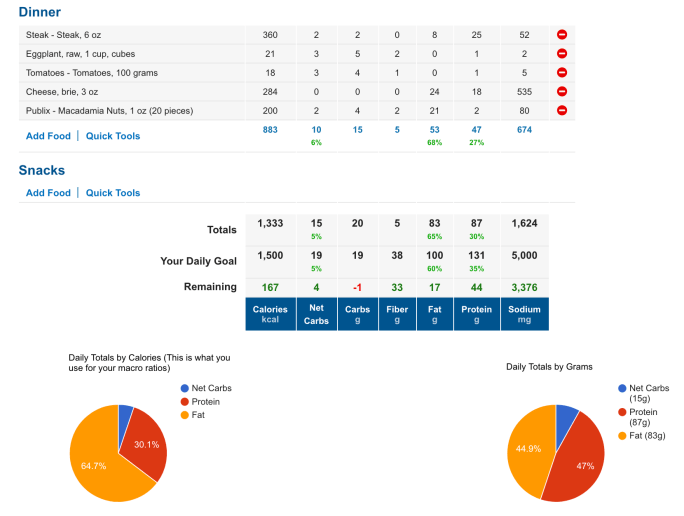
Example of my nutrient breakdown from Sept 2017
The Ketogenic diet was introduced by physicians in the 1920’s as a non-pharmaceutical treatment for drug-resistant child epilepsy, and has regained contemporary interest and is now a growing trend in biomedical research. The basic tenet of the Ketogenic diet is to transition the main fuel for metabolism from carbohydrates (glucose) to fat. To lose weight on any diet, you would need to be at a calorie deficit. Over time (in my case, about 3 weeks), the body adapts to burning fat as a primary fuel source.
So, my body will resort to eating its own cells to make up for the caloric deficit, which includes the daily exercise. As my exercise program was relatively intense, particularly heavy in the resistance work, it was of the utmost importance that my protein levels were dialed in. So, I followed these 3 guidelines to determine my macronutrient profile:
- Carbohydrates are a limit! 20g/day Net Carbohydrates = Total Carbohydrates – Dietary Fiber
- Protein is the goal! 0.8 g of protein/kg lean body mass. It was pretty hard to go over, and I was pretty strict to this guideline. In the context of low carbohydrates, too much protein can lead to gluconeogenesis (making new glucose), and subsequently, spike insulin.
- Fat is a limit. Although it was set at 60% of my caloric intake, I often didn’t go too far over, and only added fat when I was still hungry!
Measure it!
In the first week, I bought a kitchen scale from Amazon and meal prepped 5 days’ worth of lunch and dinners. These meals included chicken breast, salmon, eggs, and beef. Very quickly I learned that week-long meal prep did not work well for me. I did not find 5-day old pre-cooked chicken breast appetizing in the very least! Don’t get me wrong. The calorie and food restriction were VERY difficult in the first few weeks. Eventually, I figured out what worked for me without feeling restricted.
I do enjoy cooking, so I ended up cooking fresh meals nightly, with extra for lunch the next day. I recorded all my food and water intake to the gram on MyFitnessPal for the next 3 months. In the first month, I was eating 1800 calories daily, for a deficit of 400 calories (my daily caloric expenditure was approximately 2200). A typical meal for me would be a large piece of protein (chicken breasts or legs, steak, pork chop), and some fresh, dark leafy veg salad. I would add fat as needed if I was still hungry, usually which came in the form of some cheese, or a high-fat Greek yogurt.
If I had a craving for something, there would always be a keto-alternative version of it. It doesn’t completely kill my craving, but it scratches the itch 80% of the time! I used the FAQ over on the subreddit r/keto (shout out!) as a wonderful resource. They have a really supportive community over there and I suggest checking it out!

In the first week I dropped 6 pounds, mainly due to the loss of retained water after clearing my muscle and liver glycogen stores. Seriously, I ran to the bathroom every 20 minutes. On a low carbohydrate diet, lots of water gets dumped, due to the association of glycogen and water. So, when the carbs go, the water must go, and for that to happen, the salts must go!
Lesson: the “Keto Flu” can be completely avoided if you supplement electrolytes properly!
I felt TERRIBLE. I suspected that my headaches and malaise were due to an electrolyte imbalance and dehydration. I immediately felt better after supplementing with 500mg magnesium pill, as well as potassium salt-substitute (No-Salt ~750mg potassium per 1/4tsp) mixed into a pint of ice water of Crystal Lite 4 times a day. It may take a while to figure out the exact formula for yourself.
If you feel nauseated, or a bit shaky, or have a headache and feel lethargic throughout the day, here’s a simple recipe that may help!
-
Keto-ade – As needed (4x a day or more for me!)
- 1/4 tsp Nu-Salt (or other potassium salt)
- 1/4 tsp Pink Himalayan Salt (kosher salt works fine here too)
- 16 oz ice water
- Crystal Lite powder to taste
Please be careful with Potassium supplementation – you can definitely hurt yourself if you take too much! Magnesium is an easy one to titrate; too much, and you’re running for the can! 500 mg supplement in the morning is perfect for me.
Intermittent Fasting
After the first two months, my weight stalled around 230 lbs for three weeks. To push through this plateau, I transitioned to a lower daily caloric intake to ~1300-1500 calories per day. Along with the HIIT training, I began to incorporate intermittent fasting (IF) into my schedule. Basically, I maintained my usual caloric intake but restrict the feeding to certain hours of the day. The next 3-4 weeks I would only eat between 12pm and 8pm, giving myself an 8-hour window to consume all of my food.
Breakfast was a 473 mL thermos of good black coffee. I had some really good success with this, losing weight at a faster rate. Having read more research on IF and time-restricted feeding, and my body now used to the idea, I transitioned to a 23:1 pattern. This meant only eating once a day in the evenings immediately post-workout, also known as OMAD, or One Meal A Day.
Now I follow 23:1 on most days, particularly HIIT training days and weekends.
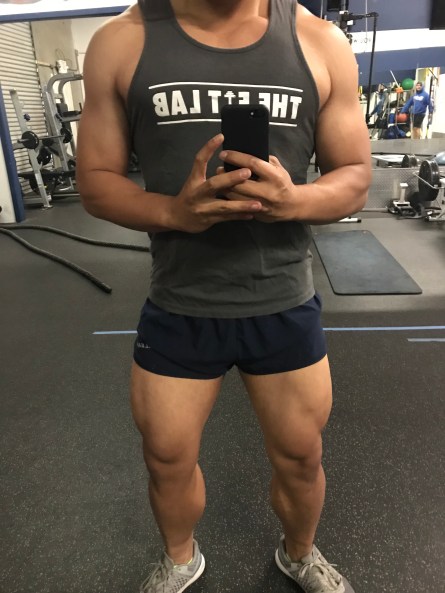
I’ve since stopped counting calories as I have a good handle on what to eat, and what to avoid. My eating has become much more intuitive, so I only eat until I am no longer hungry. Over time, choosing the right foods became second nature.
Strength Training
Mondays, Wednesdays, and Fridays I trained with a small group named “Gentleman’s Training”, lead by @michaelyoungsc. The breakdown of these training days were:
- Monday – Chest and triceps, core
- Wednesday – Shoulder and Back, core
- Friday – Leg day, core
These workouts were generally organized in the same way: 1 large multi-muscle group exercise, like bench press, or squat, followed by progressively ‘smaller’ muscle groups moving towards accessory exercises. Core exercises included many variations of crunches, Russian twists, front and side planks, and a number of TRX exercises.
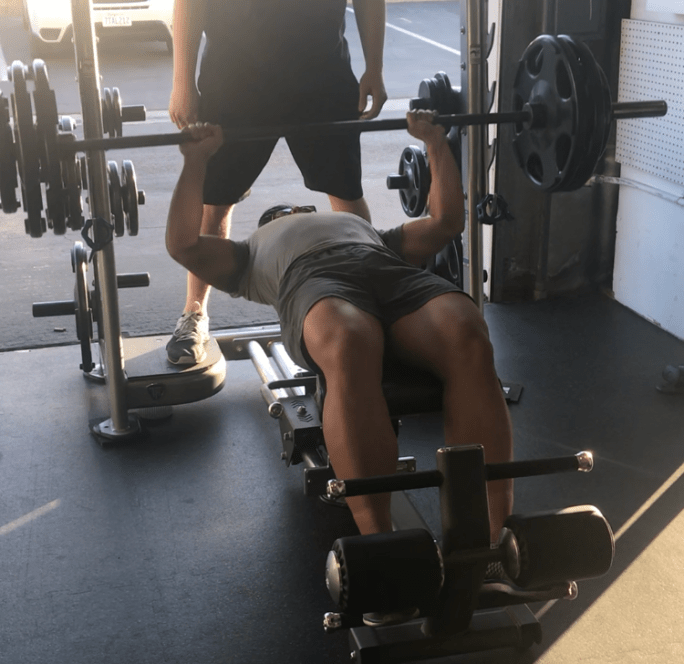
I NEVER SKIP LEG DAY!
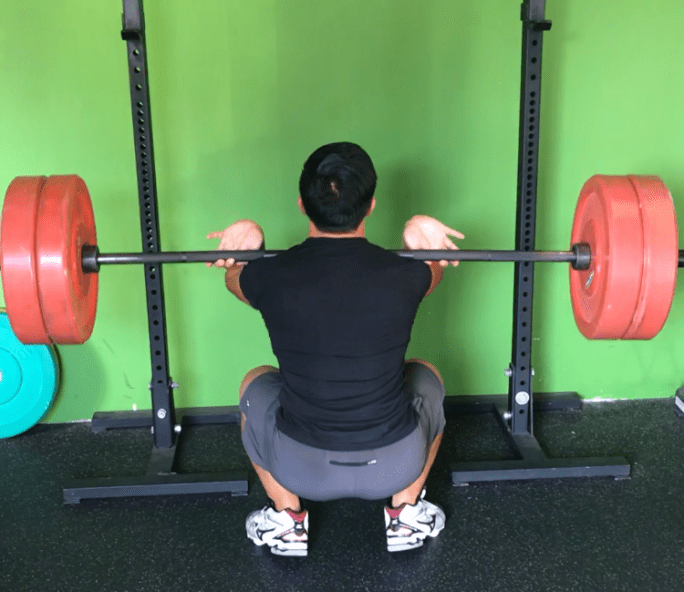
I am not nearly as strong as I was on Track. However, my body-weight to strength ratio has stayed much the same. I can do pull-ups now, which I’ve never been able to do! I love being part of a small training group and owe much of my success to my training partners.
Shoutout to my #pancakebitches, run til you puke.
Cardio
After six weeks of resistance-only training, we incorporated two days of ‘cardio’, on Tuesdays and Thursdays. These training sessions consisted of High-Intensity Interval Training (HIIT) exercises, which are various modalities of high-repetition and relatively low-weight exercise (often body weight). These exercises included plyometric exercises like box jumps, tire flips, battle ropes, medicine ball slams and tosses, heavy-bag hitting, and short sprints.
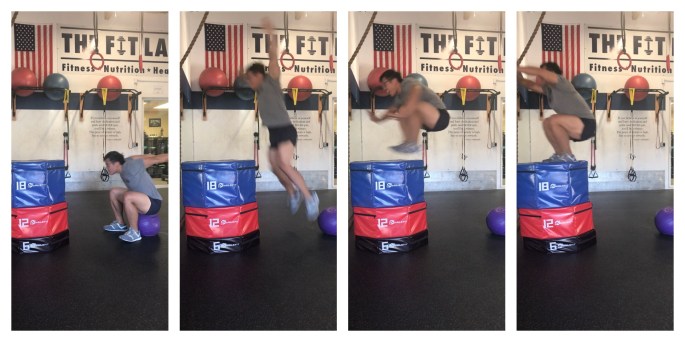
Circuit days are never boring, and I always looked forward to challenging myself beyond what I felt like my body could accomplish. As a former strength athlete, the high-reps were a foreign concept to me, but I enjoyed improving speed and endurance and working towards an overall goal of cardiovascular fitness.
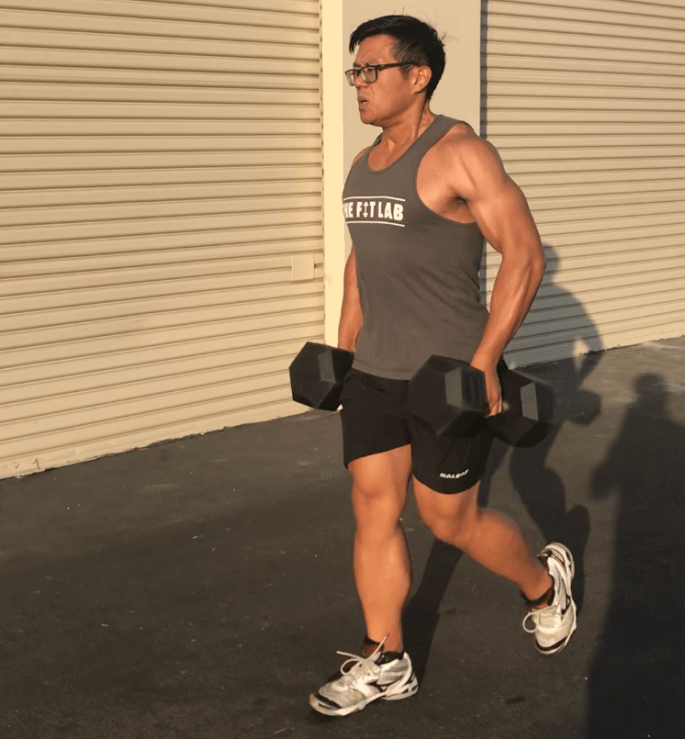
I incorporated the 23:1 fasting days during my cardio days. I have had many questions and comments about this practice, and I will definitively state that it is extremely difficult. Exercise in a fasted state (especially on Ketogenic Diet) will severely limit high-intensity performance. In my experience, the first 20 minutes of my 1-hour cardio workouts are extremely challenging. However, once I was warmed up at some level of steady-state, I felt INCREDIBLE, and it really helped me push myself through the workout.
Warning: this is NOT for the figurative (or literal) faint of heart.
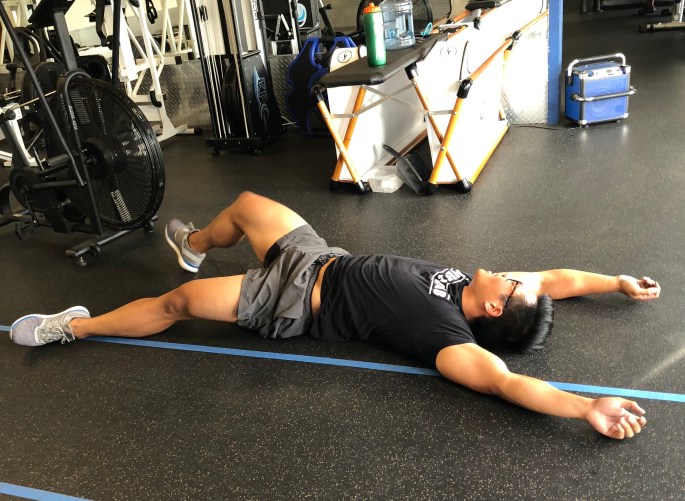
In my opinion, the ketogenic diet + fasted exercise is an efficient method to reduce excess body fat. However, performance (as measured by the number of reps completed, running/race speed, or amount of weight lifted), WILL suffer as a result. I have had many athletes ask about training on KD, and while I think there is some benefit to TRAIN on KD+IF, I advocate for the OPPOSITE during competition. I suggest a Targeted Ketogenic Diet (TKD), supplementing carbohydrates (~150g) one-hour prior to a workout.

Most Saturdays, I would add a long (3-4 hours) mountain bike ride to have a low-impact, relatively Low-Intensity Steady State (LISS) exercise to build baseline aerobic fitness. My new found fitness was particularly useful on the trail, as suddenly I’d opted for the “heart and lungs” upgrade!

Recovery
I spend 20-30 minutes every night stretching and foam-rolling. On Sundays, I spend an hour literally just rolling around on my floor and occasionally I follow along with Sunday morning Youtube yoga. This routine helps me recover from the high volume of work during the week, and helps resolve all the little dings and aches that add up. The recovery is just as important as exercise!
Body Composition
Every 4-6 weeks, we would test my body composition via hydrostatic weighing. Also known as the ‘dunk test’, the basic tenet is to determine the total body density. As fat is less dense than water, it will cause buoyancy, and likewise, fat-free mass i.e. muscle, bone, and other non-fat connective tissue would sink. Body density is then converted into %body fat.
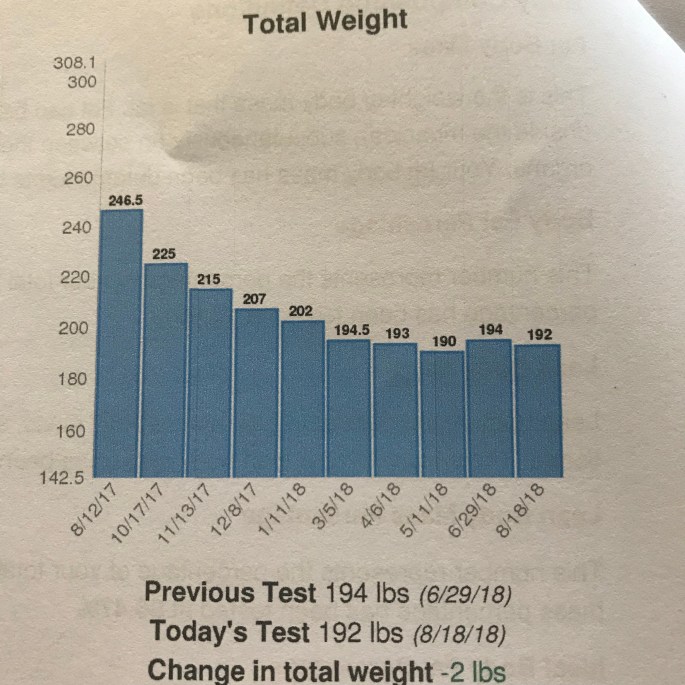
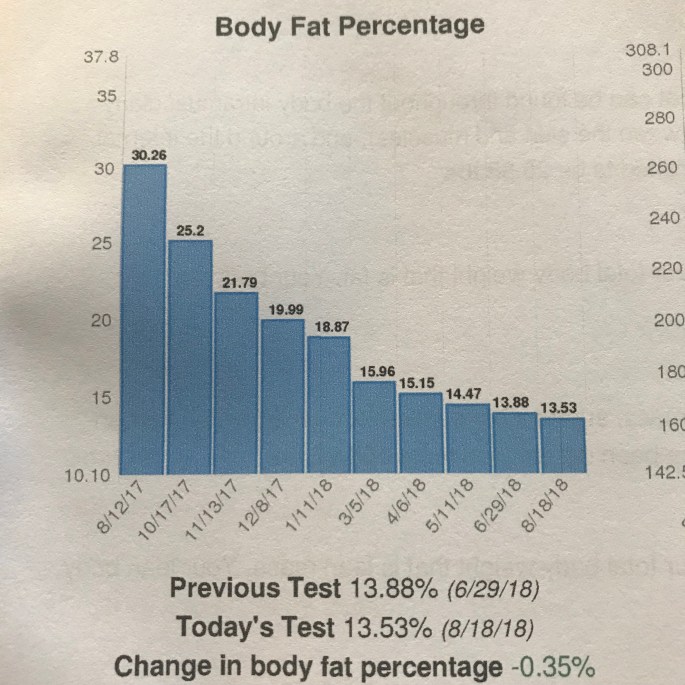
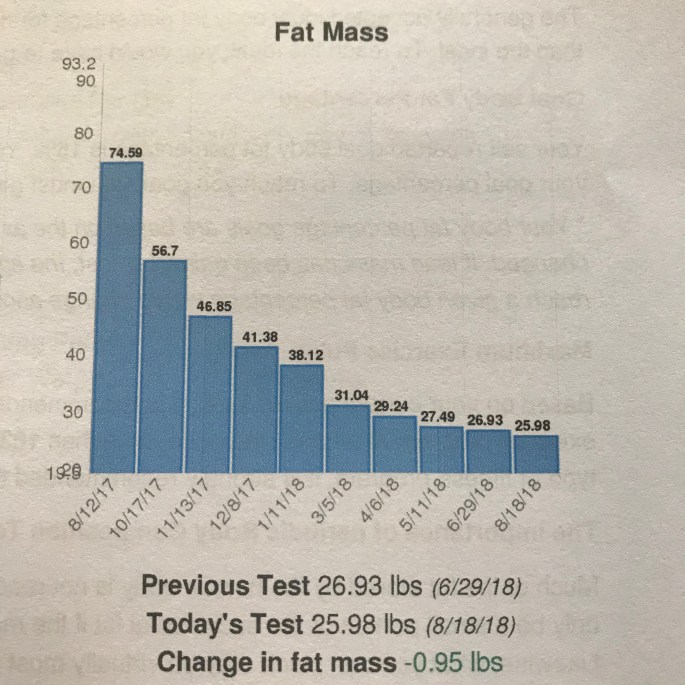
I was particularly worried that this rapid weight loss would come at a price, particularly because long stretches of fasting + exercise could cause an autophagy effect; that is, a ‘cannibalizing’ of my own muscle mass in the absence of food.
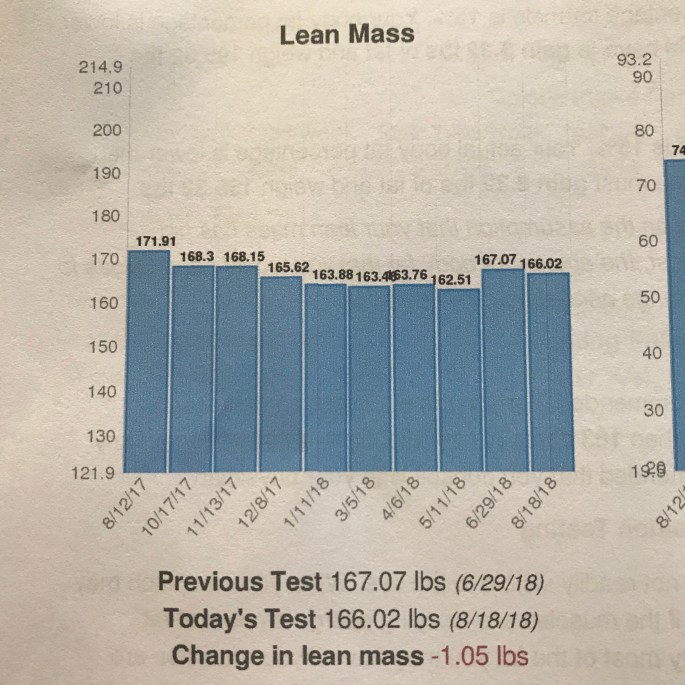
I am extremely pleased that I had a minimal loss of fat-free mass. If you look closely at my May 11, 2018 test, you’ll see a severe drop in the fat-free mass. I had just completed several 48-hour fasts as an experiment, and while I dropped 2 pounds of fat mass, I also lost 1 pound of fat-free mass. Since the end of May, I weaned myself off my hardcore caloric deficit and pretty much ate mostly ketogenic foods ad-libitum. The resultant effect was an increase in fat-free mass in the coming tests (June 29, 2018, @194 lbs).
I learned two lessons from that particular experiment:
- Multi-day fasting is an incredibly effective way of dropping weight quickly but at the potential cost of muscle mass loss
- The minimal lean mass loss means that my protein levels (35% of calories) were dialed in correctly. Daily ideal protein intake = 0.8g/ lb of lean body mass.
- Bonus note: I really hate the mixing of units in that formula.
Summary
At the time of this writing, I’ve lost 63 pounds total over 1 year. I am now on a path to increase lean mass and continue to reduce fat mass. I really want that full six-pack!
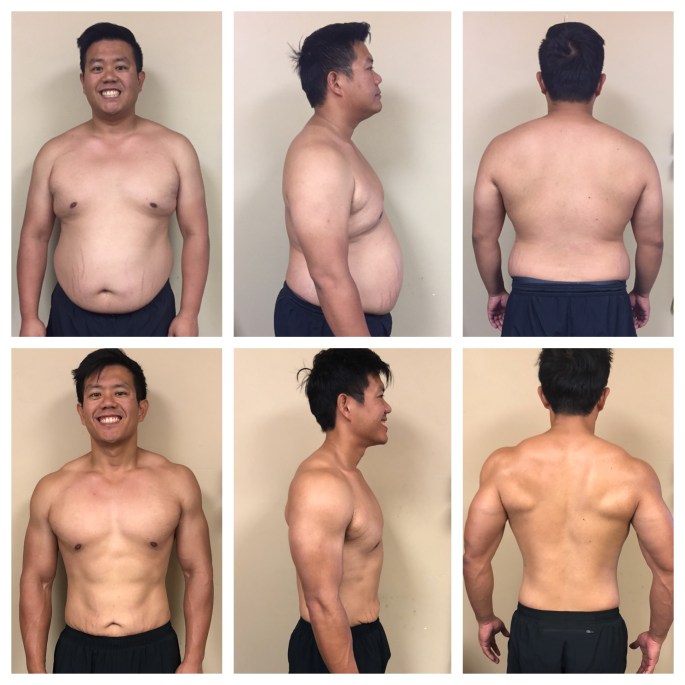
I feel amazing. I sleep longer and more deeply. Long gone is my hypertension, GI issues, and pre-diabetes. I rarely feel restricted in my eating and still occasionally miss pizza. I allow myself to enjoy family celebrations and holidays. My waist size went from a 38″ to a 31″, and t-shirt size from XL to M. My chest and shoulder width have not changed, and my confidence is soaring!
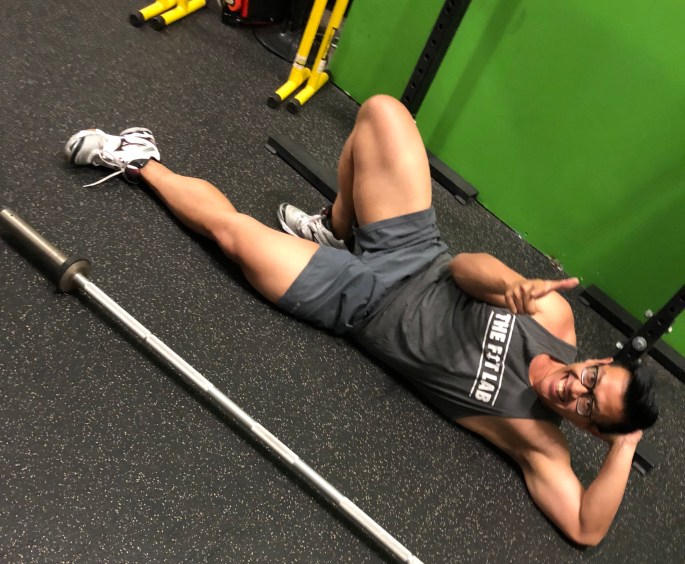
I am lucky to have access to these resources. The Fit Lab has allowed me to create reasonable, actionable goals, and helped me reevaluate my relationship with food and exercise. I now am the consulting exercise physiologist and use my knowledge to help other clients with their goals. With my knowledge, we created a careful plan guided by the scientific literature. It has been fun discovering what my body and mind can do with the proper motivation.
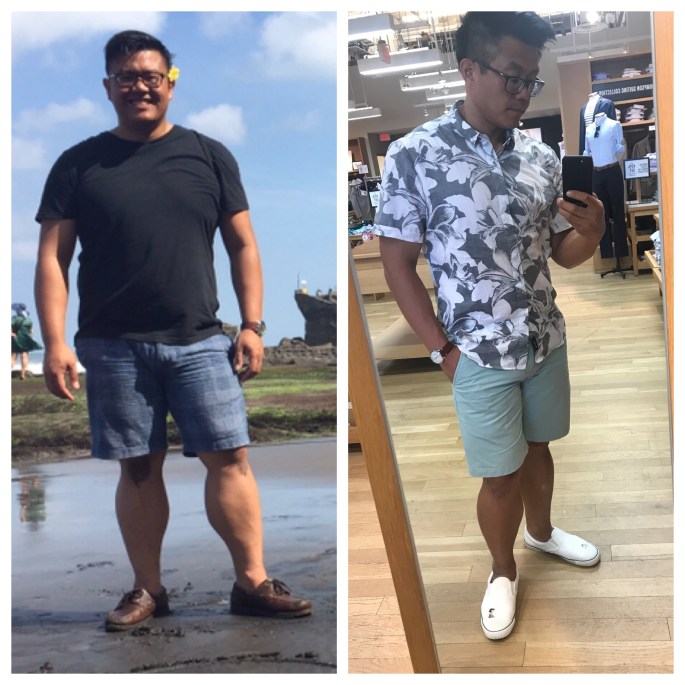
A personal trainer may not fit into your budget or schedule. But, it is cheaper than the eventual medical and pharmaceuticals that ultimately arise from chronic lifestyle diseases. I never willingly missed a session because I knew it would be a waste of my money to skip! My workouts were scheduled in my calendar, and I respect my calendar, so there was no decision to be made. My workout sessions were my #1 priority.
By the time I arrived at The Fit Lab, the hard part (showing up) was done. I had already gotten into my car, sat through rush hour traffic, changed into my gym clothes and laced up my shoes. Over the course of the year, I promised myself and my training partners that would always give 100% effort.
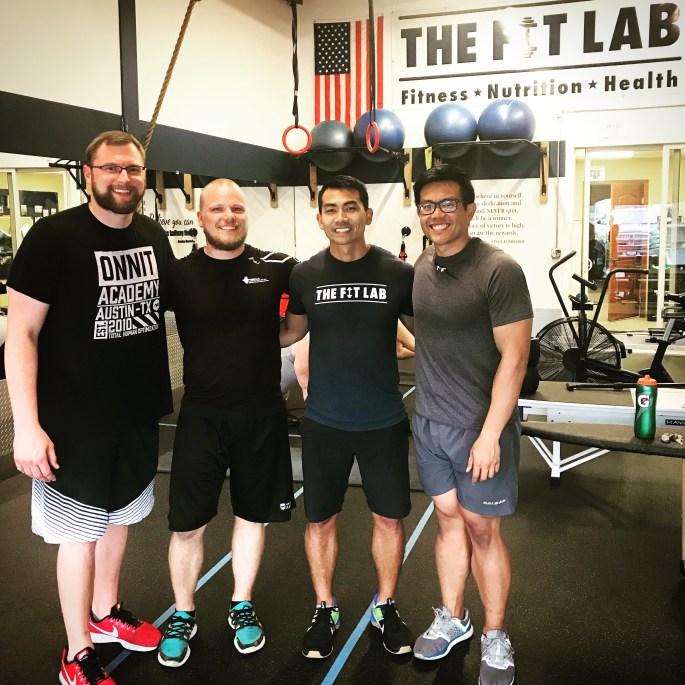
My weight loss success is a result of a targeted combination of strength training, HIIT circuit training, calorie restricted ketogenic diet and intermittent fasting.
There is no one-size-fits-all exercise or nutrition program so this process will be a life-long trial and error period! My point is, even the experts need help. If I can do it, anyone can!
Thanks for reading!
 Vincent Tedjasaputra, Ph.D.